In the demanding world of construction and heavy lifting, cranes are the workhorses that make ambitious projects possible. From towering sky-scrapers to vital infrastructure, these powerful machines are indispensable. Yet, with great power comes great responsibility. The sheer force and intricate mechanics of a crane mean that neglect is not just costly, but potentially catastrophic. That’s why annual crane inspections are not merely a regulatory checkbox, but a cornerstone of safety and operational longevity. For businesses operating near and surrounding Sioux Falls, SD, prioritizing these inspections is crucial for both protecting your significant investment and, more importantly, safeguarding the lives of your dedicated crew.
The Unseen Value of Proactive Crane Inspections
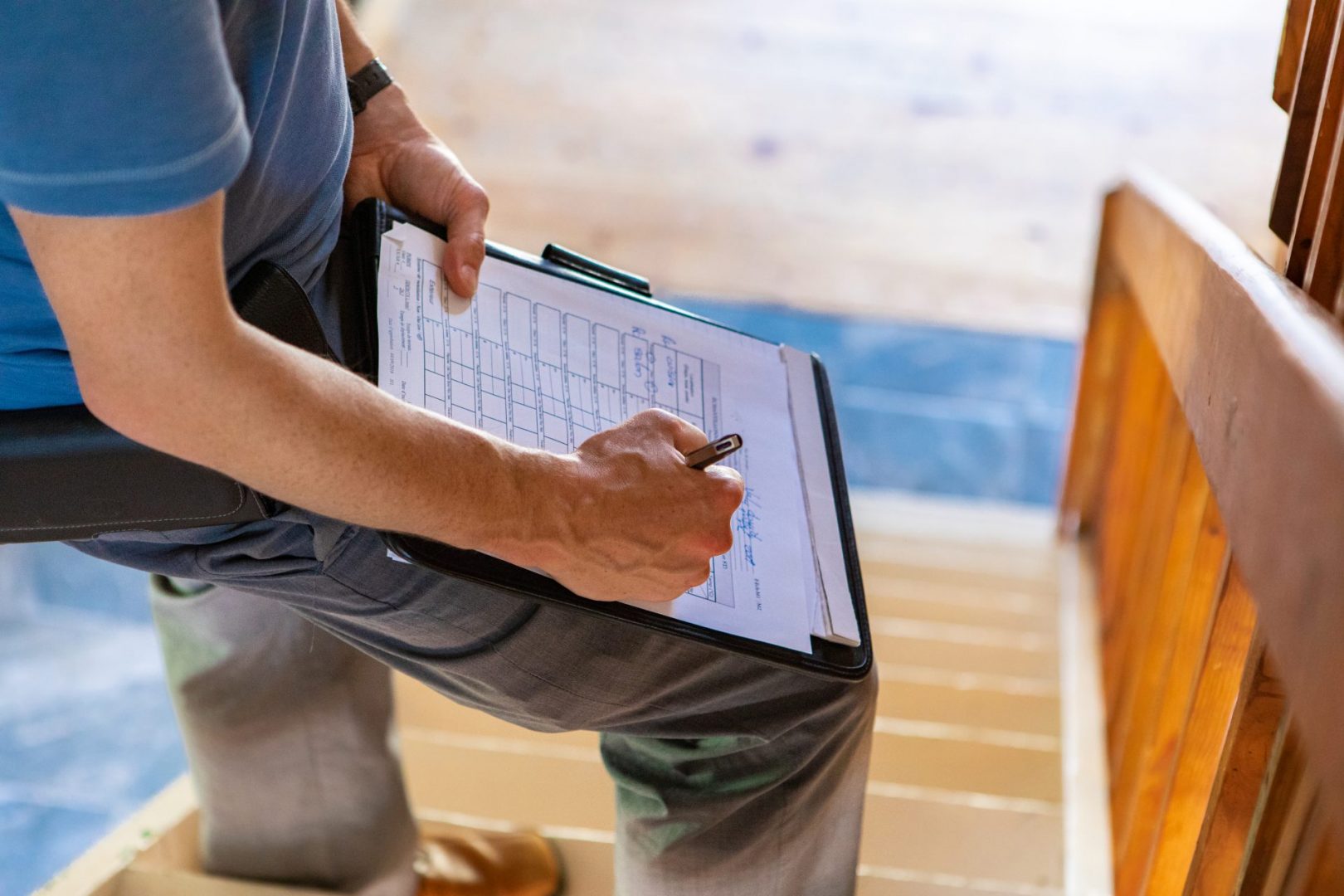
 Just like a top athlete needs consistent care to perform at their best and avoid injuries, your crane demands diligent attention to remain in peak condition. Crane inspections are essentially a full health check for your equipment, thoroughly examining its mechanical, structural, and electrical parts. This process uncovers potential problems early, long before they can develop into major breakdowns, expensive delays, or even tragic accidents.
Ignoring these crucial inspections is a significant gamble. The dangers are considerable: you risk serious safety hazards like dropped loads or crane collapses, which can lead to severe injuries or fatalities. There’s also the threat of expensive downtime, bringing your projects to a halt, missing deadlines, and incurring significant financial losses. Minor, unaddressed issues can quickly lead to premature equipment failure, drastically shortening your crane’s lifespan and necessitating early replacement. Furthermore, non-compliance with regulations from bodies like OSHA can result in hefty regulatory fines and legal repercussions, damaging your company’s standing. Lastly, an inadequate inspection record could lead to insurance complications in case of an accident, leaving your company with immense financial responsibility.
On the other hand, a strong annual inspection program brings many advantages. It prolongs your equipment’s life, boosts operational efficiency by cutting down on unexpected breakdowns, and ensures you meet all essential safety regulations. Most importantly, it cultivates a strong safety culture, showcasing your unwavering dedication to your employees’ well-being.
What an Annual Crane Inspection Entails
When a qualified professional from Crane Training & Consulting Services performs an annual crane inspection, it’s a meticulously detailed process far beyond a quick visual check. It’s a systematic examination designed to uncover any wear, damage, or malfunction that could compromise the crane’s safe operation. While daily and monthly checks are essential for routine monitoring, the annual inspection is a deep dive, often requiring some disassembly to access critical internal components.
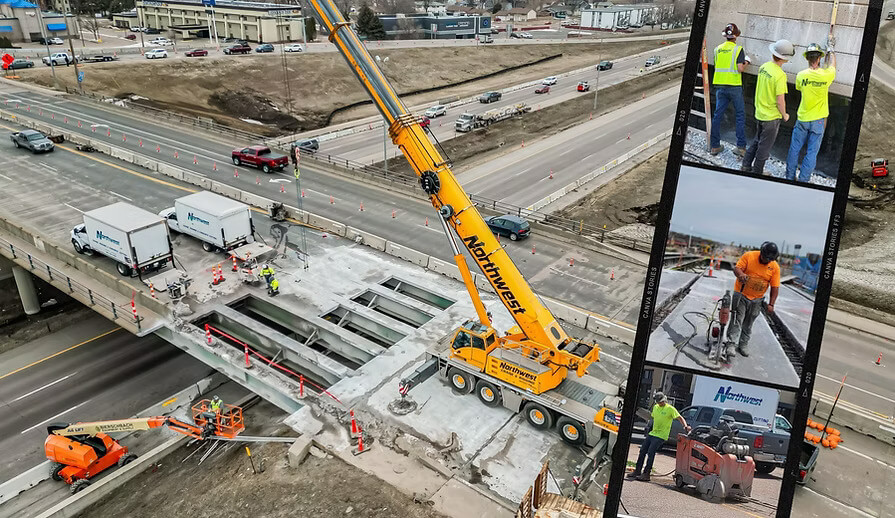 The heart of a thorough annual inspection lies in its comprehensive scope. Our certified inspectors focus on every crucial aspect of your crane, including but not limited to:
- Structural Integrity: This involves a detailed examination of the crane’s boom, jib, mast, and other load-bearing structural members for any signs of deformation, cracks, corrosion, or weld integrity issues. We’ll also meticulously check bolts, rivets, and other fasteners for looseness or failure.
- Operating Mechanisms and Controls: We scrutinize all functional operating mechanisms for excessive wear or maladjustments that could interfere with proper operation. This includes checking levers, pedals, and control systems for responsiveness and smooth function.
- Wire Ropes, Chains, and Hooks: These are the unsung heroes of lifting, and their condition is paramount. We inspect wire ropes and load chains for excessive wear, broken strands, kinking, crushing, or any distortion. Hooks are carefully examined for cracks, deformation, or excessive throat opening, and safety latches are tested.
- Braking Systems: Effective braking is non-negotiable for crane safety. Our inspection covers all braking mechanisms – service brakes, parking brakes, and emergency brakes – ensuring they are fully functional and free from excessive wear or maladjustments.
- Hydraulic and Pneumatic Systems: We meticulously inspect lines, tanks, valves, pumps, and other pressurized components for any signs of contamination, deterioration, or leakage, paying special attention to lines that flex during normal operation. Fluid levels are also verified.
- Electrical Systems: From wiring and connections to control panels and limit switches, all electrical apparatus are inspected for malfunctioning, signs of deterioration, dirt, or moisture accumulation. Warning lights, horns, and emergency stop buttons are also tested.
- Safety Devices: Crucial safety features like load-limiting devices, anti-two block systems, and emergency stop switches are tested to ensure they are functioning correctly and will prevent accidents.
- Records Review: A vital part of the inspection process involves reviewing past maintenance and inspection records. This helps identify any recurring issues or patterns that need special attention, providing valuable insight into the crane’s operational history.
This thoroughness isn’t just about compliance; it’s about peace of mind. Knowing your equipment has been rigorously evaluated by experts provides confidence in its ability to perform safely and efficiently.
Partnering for Safety: Crane Training & Consulting Services
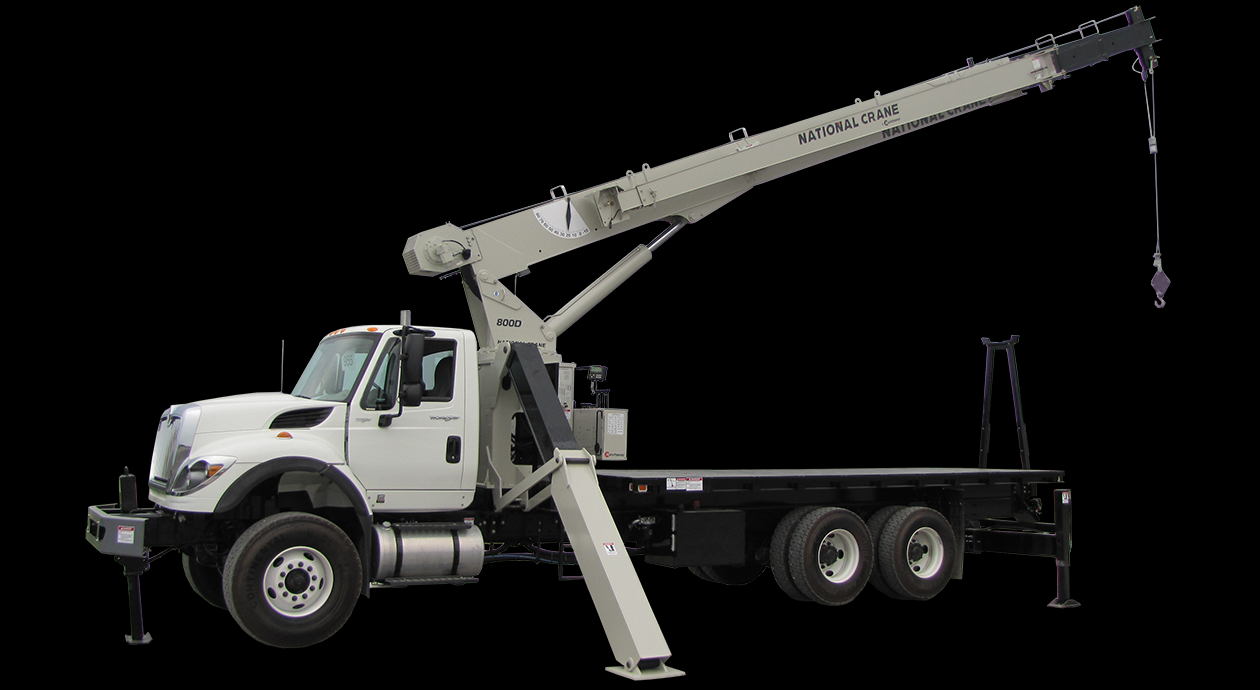 Choosing the right partner for your annual crane inspections is a decision that directly impacts your operational safety and financial well-being. At Crane Training & Consulting Services, we understand the unique demands of the heavy lifting industry, particularly for businesses operating in and around Sioux Falls, SD. Our team comprises highly experienced and certified professionals who not only adhere to OSHA and ASME standards but also bring a wealth of practical knowledge to every inspection.
We’re not just inspectors; we’re your partners in safety. Our commitment extends beyond simply identifying problems. We provide clear, actionable insights and practical recommendations to address any deficiencies, helping you implement effective solutions to keep your cranes operating safely and extend their service life. We pride ourselves on transparent communication, ensuring you understand every aspect of the inspection process and its findings.
Investing in professional annual crane inspections with Crane Training & Consulting Services means investing in the longevity of your equipment, the efficiency of your operations, and most importantly, the safety of your invaluable workforce. Don’t wait for an incident to highlight the importance of preventative maintenance. Be proactive, protect your investment, and ensure your crew returns home safely every day.
Frequently Asked Questions about Crane Inspections
You might have some questions about crane inspections, and we’re here to provide clarity. Here are some of the most common inquiries we receive:
Q1: How often are crane inspections required?
A1: Generally, there are different levels of inspections. OSHA requires visual inspections prior to each shift, more detailed “frequent” inspections (daily to monthly, depending on crane usage), and “periodic” inspections at intervals from one to twelve months. An annual crane inspection by a qualified person, as offered by Crane Training & Consulting Services, serves as a comprehensive periodic inspection and is crucial for overall safety and compliance.
Q2: What is the difference between a daily, frequent, and periodic inspection?
A2: A daily inspection is a quick visual check by the operator before each shift for obvious deficiencies. Frequent inspections (daily to monthly) are more thorough visual and operational checks of specific components like hooks, ropes, and brakes. Periodic inspections (1 to 12 months, with annual being key) are comprehensive examinations by a qualified person, often requiring some disassembly, to detect wear, damage, or deterioration that may not be apparent during frequent inspections.
Q3: Who is qualified to perform a crane inspection?
A3: A crane inspection, particularly periodic and annual ones, must be performed by a “qualified person” as defined by OSHA. This means an individual who, by possession of a recognized degree, certificate, or professional standing, or who by extensive knowledge, training, and experience, has successfully demonstrated the ability to solve or resolve problems relating to the subject matter, the work, or the project. Our inspectors at Crane Training & Consulting Services are all highly trained and certified.
Q4: What records need to be kept after a crane inspection?
A4: OSHA requires that records of frequent and periodic inspections be maintained. These records should include the items inspected, the results of the inspection, the date of the inspection, and the signature of the person who performed it. For periodic inspections, the crane’s serial number or other identifier should also be included. These records are vital for demonstrating compliance and for tracking the crane’s maintenance history.
Q5: What happens if issues are found during an inspection?
A5: If any deficiencies are found during an inspection, they must be addressed promptly. Depending on the severity of the issue, the crane may need to be removed from service immediately until repairs are made. Our inspectors will clearly document any findings and provide recommendations for corrective actions, helping you prioritize repairs to ensure continued safe operation.
Q6: Can annual inspections really save money in the long run?
A6: Absolutely. While there’s an upfront cost, annual inspections are a sound investment. They help prevent catastrophic failures that lead to expensive repairs and prolonged downtime. By identifying small issues before they become major problems, you extend the lifespan of your crane, reduce emergency repair costs, avoid regulatory fines, and significantly mitigate the risk of costly accidents and legal liabilities. It’s truly a case where an ounce of prevention is worth a pound of cure.
 For all your crane inspection, training, and consulting needs near and surrounding Sioux Falls, SD, remember that Crane Training & Consulting Services is dedicated to elevating your safety standards and protecting your valuable assets. Contact us today to schedule your annual inspection and experience the difference of a truly comprehensive and professional service.
Found this article helpful? Spread the word and help others in the industry protect their investments and crews! Share this article with your network using this link. [https://cranetrainingservices.org/annual-crane-inspections-protecting-your-investment-crew/]